
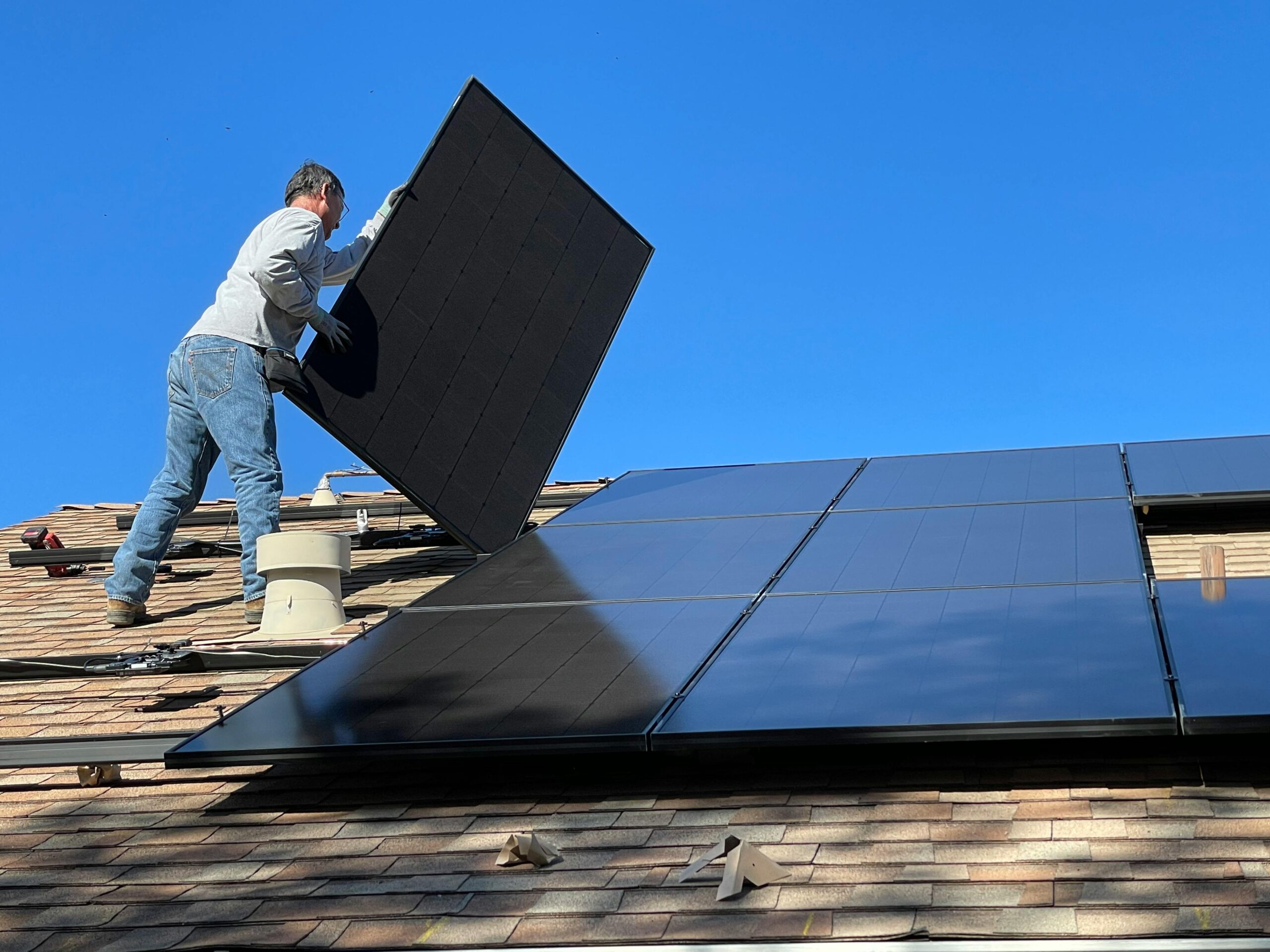
Solar power has become a popular solution for South African homes and businesses looking for reliable energy alternatives. However, as solar installations increase across the country, insurers and industry experts are also seeing a rise in property damage incidents linked to unsafe or poorly installed systems. Ensuring that your solar system is installed and maintained correctly is essential not only for safety but also to protect your investment and maintain valid insurance cover.
The Growing Risk of Unsafe Solar Installations
While solar panel fires remain relatively uncommon, reports indicate that incidents are increasing as more systems are installed. Many of these cases are linked to faulty wiring, loose connections, substandard components, or poor installation practices. Electrical faults such as arcing, short circuits, or ageing cables can cause overheating, which may ultimately lead to fires that damage both the solar system and the building structure.
Because solar systems generate significant electrical energy, professional installation and regular inspections are crucial to reducing these risks.
Key Areas of Concern
There are several factors that can compromise the safety and performance of solar systems:
Faulty installation or inferior components
Using unqualified installers or low-quality equipment can increase the likelihood of electrical faults and system failure.
Battery safety
Lithium-ion and lead-acid batteries, commonly used in solar systems, can pose a fire risk if they are not installed or ventilated properly.
Environmental exposure
Solar panels are typically installed in exposed areas, making them vulnerable to lightning strikes, storms, and hail damage. Proper grounding and surge protection devices help minimise these risks.
Lack of maintenance
Dust, leaves, and debris can accumulate on panels, reducing efficiency and potentially causing localised overheating. Routine cleaning and inspections help keep systems operating safely and efficiently.
Theft and security concerns
Solar panels, cables, and inverters are attractive targets for criminals due to the value of their components. Security measures such as surveillance cameras, motion-sensor lighting, and tamper-proof mounting systems can help deter theft.
Practical Steps to Improve Solar Safety
Property owners can reduce risks by following a few essential guidelines:
- Use certified installers and ensure all work complies with local electrical standards.
- Obtain a valid Certificate of Compliance (CoC) for the installation.
- Ensure batteries are stored in ventilated, fire-resistant enclosures away from living spaces.
- Schedule annual inspections to identify loose connections, damaged cables, or overheating components.
- Install surge protection and lightning protection systems where necessary.
- Maintain a safe gap between the roof and solar panels to allow heat dissipation and reduce fire risk.
Protecting Your Cover
From an insurance perspective, compliance with safety standards is essential. Using qualified installers, certified components, and proper maintenance practices not only protects your property but can also prevent complications when submitting a claim following a loss.
Final Thoughts
Solar energy remains one of the most efficient and sustainable power solutions available in South Africa. However, like any major property installation, it requires careful planning, quality workmanship, and ongoing maintenance to ensure it remains safe and reliable.
If you have installed solar panels or are considering adding a solar system to your property, it’s worth reviewing your insurance cover to ensure the system is properly declared and protected.
Source: Safire Insurance – Ensuring Solar System Safety
Your partners in protection at Altara