
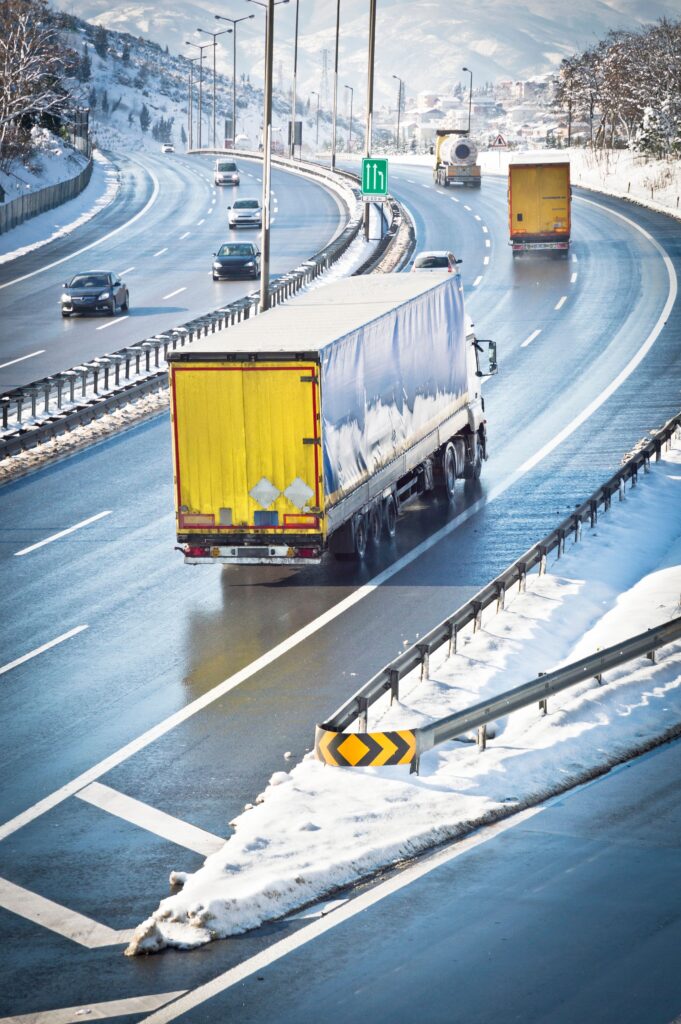
As winter settles in and temperatures drop, businesses involved in transporting goods face a unique set of challenges. While many focus on the impact of weather on roads and travel times, winter conditions can also significantly affect cargo, delivery efficiency, and the risk of losses while goods are in transit.
The Hidden Risks of Winter Transport
Cold, wet, and unpredictable weather can create conditions that increase the likelihood of damage to goods during transportation. Moisture and condensation are among the most common concerns, particularly when cargo moves between areas with varying temperatures or is exposed to prolonged wet weather.
Packaging that performs adequately during dry conditions may become compromised when exposed to rain, damp environments, or fluctuating temperatures. This can result in damaged goods, increased claims, and dissatisfied customers.
Hazardous Road Conditions
Winter weather often brings reduced visibility, slippery road surfaces, and longer stopping distances. These conditions increase the risk of vehicle accidents, breakdowns, and delivery delays.
For businesses operating transport fleets or moving goods over long distances, these risks can have a significant impact on operational efficiency and profitability.
Secondary Risks Caused by Delays
Severe weather-related delays can create additional exposures beyond the immediate transport risks. These may include:
- Spoilage of temperature-sensitive goods
- Missed delivery deadlines
- Increased storage periods
- Temporary storage in less secure locations
- Supply chain disruptions
These secondary risks can often result in financial losses that exceed the initial transportation costs.
Practical Steps to Reduce Winter Exposure
Winter is the ideal time for businesses to review their transport and logistics procedures. Consider the following preventative measures:
- Inspect tarpaulins, seals, and vehicle coverings regularly
- Ensure refrigeration and temperature-control systems are functioning correctly
- Review cargo loading and securing procedures
- Assess packaging suitability for cold and wet conditions
- Monitor weather forecasts and adjust delivery schedules where possible
- Implement contingency plans for severe weather disruptions
Proactive planning can significantly reduce the likelihood of damage and help ensure business continuity during challenging weather conditions.
Risk Management Starts Before the Journey
At Altara, we understand that effective risk management extends beyond insurance cover. Identifying seasonal risks and implementing preventative measures can help protect your cargo, reduce claims, and support smoother business operations throughout the winter months.
By taking a proactive approach, businesses can safeguard both their goods and their reputation while navigating the challenges that winter weather brings.
Need advice on transport-related risks or insurance solutions for your business? Contact Altara today and let us help you protect what keeps your business moving.