
Industry Concerns: The Impact of the
2G & 3G Shutdown in South Africa
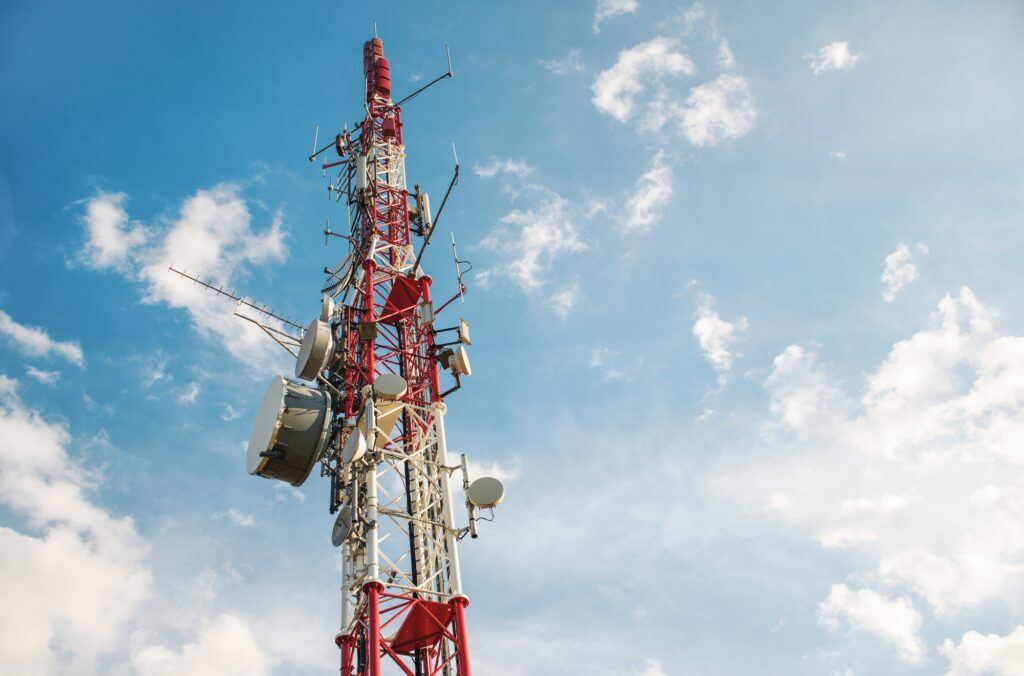
The Association of Communications and Technology (ACT), representing major telecom operators, advocates for an industry-led approach. They caution that a rigid government-imposed deadline may disrupt services for millions still dependent on these networks, especially in economically disadvantaged and rural areas.
How to Mitigate the Risks of the 2G & 3G Network Shutdown
Consider the following steps:
1. Conduct a Device Audit:
Identify all devices within your operations that rely on 2G or 3G networks.
2. Engage with Service Providers:
Consult with your telecom and device service providers to understand their migration plans and available upgrade options.
3. Plan Financially:
Allocate budget for the gradual replacement or upgrading of legacy devices to ensure continuity of services.
4. Stay Informed:
Keep abreast of announcements from network operators regarding specific shutdown dates and support programs.
5. Advocate for Support:
Engage with industry bodies and policymakers to advocate for subsidies or support programs to assist in the transition, especially for vulnerable sectors.
Timeline: Shutdown by 31 December 2027
South Africa plans to phase out its 2G and 3G mobile networks by December 31, 2027. This initiative aims to reallocate spectrum for more advanced technologies like 4G and 5G. However, this transition poses significant implications for devices and services that rely on these older networks, including vehicle tracking systems and building alarm systems.
Impact on Vehicle Tracking
and Building Alarm Systems
Many vehicle tracking devices and building alarm systems in South Africa currently operate on 2G or 3G networks due to their wide coverage and cost-effectiveness. The impending shutdown will have the following effects:
Device Obsolescence:
Devices that rely solely on 2G or 3G networks will cease to function once these networks are decommissioned. This includes various IoT devices such as GPS trackers, fire alarms, and medical alert systems.
Operational Disruptions:
Without proactive upgrades, businesses and individuals may face service interruptions, affecting logistics, security, and emergency response systems.
Financial Implications:
Upgrading to 4G or 5G-compatible devices entails significant costs, which could be burdensome for small businesses and consumers, particularly in economically challenged regions.